
Sometimes a fun day out can feel like too much is going on. Crowds, noise, bright lights, and confusing layouts? No thank you. If you’re an ADHDer or AuADHDer, chances are you’ve skipped a lot of outings because they weren’t set up with your brain and body in mind. But the good news is there are places designed with sensory needs, accessibility, and neurodivergent joy at the center.
Let’s explore some amazing leisure spots where you can relax, recharge, and have fun—without needing a nap halfway through.
1. Sensory-Friendly Museums That Don’t Overwhelm Your Brain
Museums might sound like a sensory nightmare, but not all of them. Many now offer quiet hours, dimmed lighting, and calm zones.
Here are a few sensory-friendly museums worth the visit:
- The Museum of Fine Arts, Boston offers Sensory Sundays with adjusted lighting and sounds.
- The Miami Children’s Museum offers on the second Saturday of every month a sensory friendly experience for children with disabilities and their families.
- Phillip and Patricia Frost Museum of Science offers Just For Me hours designed for people with sensory issues on the third Wednesday of each month and on the third Saturday of each month, except on days for special events.
- The Children’s Museum of Pittsburgh has a calming room and visual schedules to help you plan your visit.
- The Smithsonian museums in Washington, D.C. provide sensory maps and noise-canceling headphones.
- The Minnesota Children’s Museum schedules Sensory Friendly Playtimes with fewer visitors and reduced noise.
Some museums let you download a visual guide beforehand so you can mentally prep. We like to know what’s coming next, and our nervous system loves this kind of predictability.
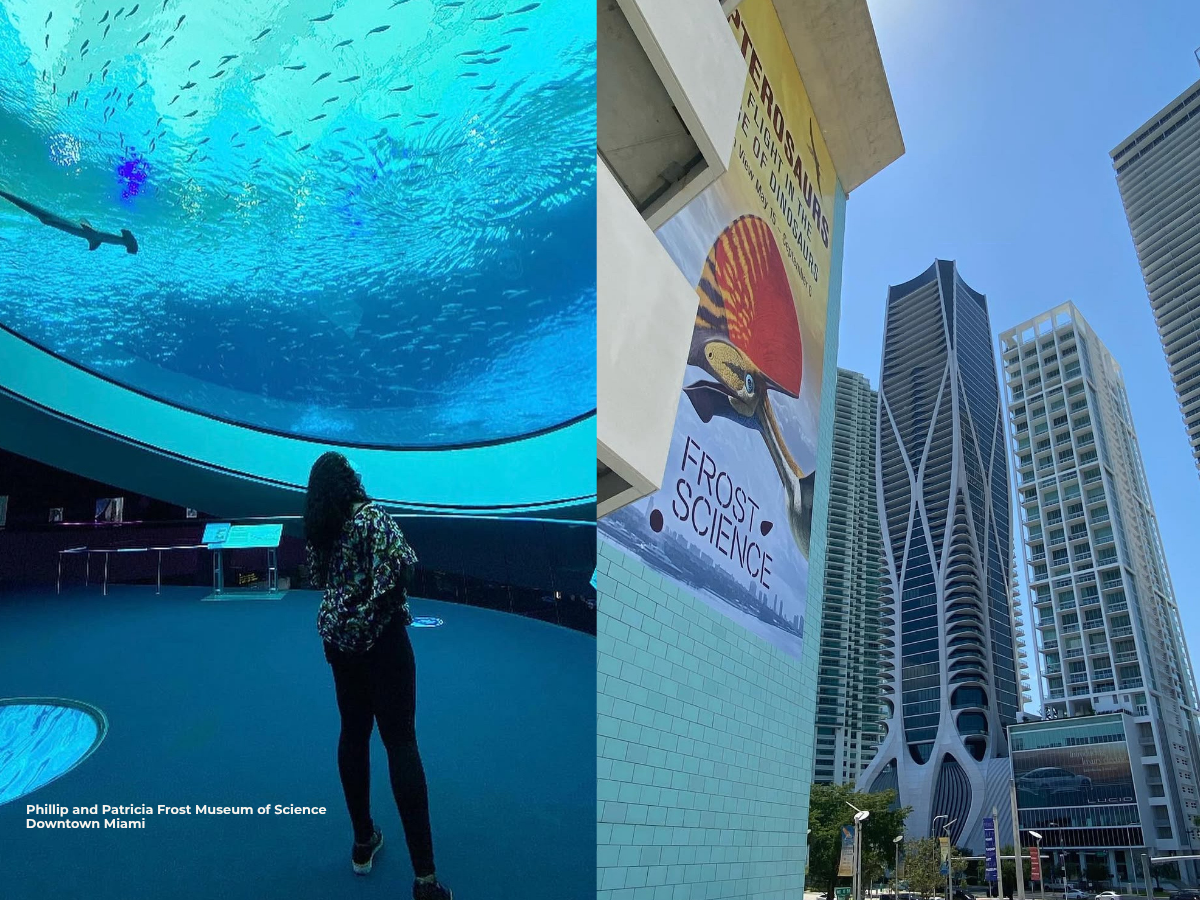
Here I am at the Phillip and Patricia Frost Museum of Science. Beautiful facility and you can see the Port of Miami from the top floor.
2. Nature-Based Escapes That Feel Good on Your Nervous System
Sometimes you just need a place where your senses can exhale. Nature is a go-to for ADHDers and AuADHDers because it naturally regulates the nervous system and reduces stress. But not all parks or trails are created equal—some have a lot going on, too.
Here are some gentle, sensory-friendly outdoor options:
- Botanical Gardens like the Chicago Botanic Garden offer quiet walking paths, shaded benches, and even sensory gardens you can touch and smell.
- Nature Preserves such as Shenandoah National Park have accessible, low-traffic trails that aren’t overwhelming.
- Beachfronts with quieter stretches (like Cape Cod or Oregon Coast) are perfect if water soothes your brain.
- Japanese gardens are perfect for those craving visual calm, simple layout, and soft ambient sounds.
When you’re picking a spot, look for terms like “quiet trails,” “accessible paths,” or “low sensory areas.” Tip: Bring headphones and your favorite healthier snacks—no shame in prepping for peace.
I visited The Three Sisters in Australia’s Blue Mountains in 2022. It’s about a 2 hour train ride from Sydney. It’s the perfect place to exhale.
3. Quirky, Cozy, and Low-Key Local Gems You’ll Actually Enjoy
You don’t have to go far to find leisure that feels right. Some of the best places for neurodivergent joy are right in your city. You just need to know what to look for.
Here are some cozy, low-pressure spots that feel like a hug:
- Small independent bookstores with reading nooks and calm lighting (like The Raven Book Store in Kansas).
- Board game cafés that offer sensory-friendly nights or quieter hours, especially if you like structure with your social time.
- Cat cafés or animal sanctuaries where you can sip tea and pet soft things. Yes, please.
- Local art studios or creative workshops that focus on mindful making instead of perfection (think: pottery, painting, weaving).
These places tend to be quieter, more welcoming, and less stimulating than loud restaurants or crowded events. Look for locations with flexible rules, welcoming staff, and a slower pace.
Bonus Tips for Planning a Sensory-Safe Outing
Planning ahead = less stress later. Here’s how you can make your leisure day ADHD and AuADHD friendly:
- Call ahead and ask about sensory accommodations. They’re usually happy to help.
- Pack sensory tools like headphones, sunglasses, stim toys, or calming scents.
- Build in rest time before and after the outing, even if it’s just a walk.
- Don’t force social time if you’re not up for it. Solo adventures totally count.
You Deserve Travel + Leisure Experiences without Physical or Mental Fatigue
You deserve fun that feels good—not exhausting. Whether it’s a quiet museum, a peaceful garden, or a cozy nook at your local café, there are places that work with your brain. Start small, follow your senses, and let your version of joy lead the way. Fun isn’t one-size-fits-all, and for ADHDers and AuADHDers, it shouldn’t have to be.